

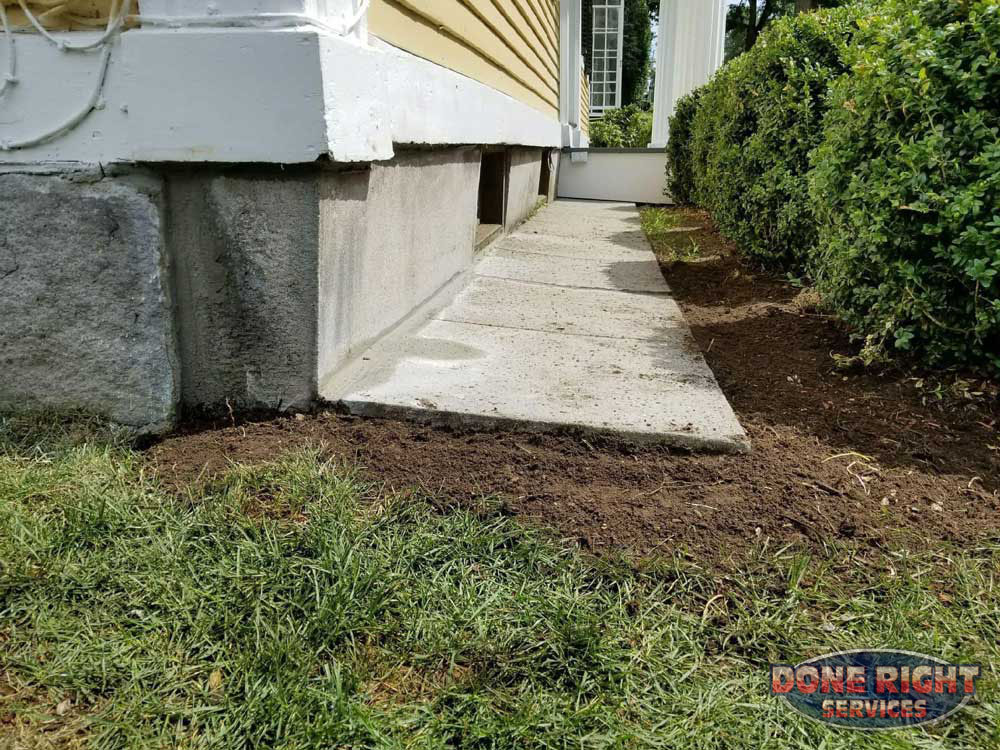
Stone foundations are a familiar sight in older homes across Massachusetts and New Hampshire, from historic properties around Greater Boston to farmhouses, Colonials, and village homes throughout southern New Hampshire. After decades of New England winters, however, the mortar between those stones can loosen, crack, or wash away. Repointing is one of the primary ways
READ MORECategory: Stone Foundation Re-Pointing
Can a Stone Foundation Be Repaired Without Excavation? What Homeowners in Worcester Should Know
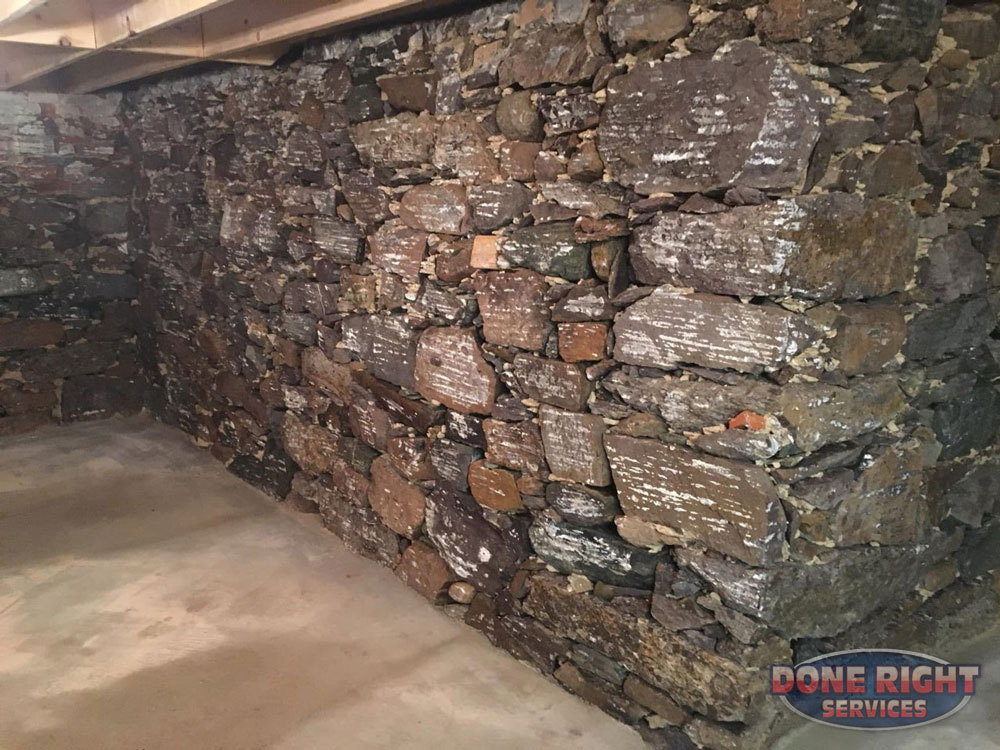
Stone foundations are common beneath older homes throughout Worcester, especially in neighborhoods developed long before poured concrete foundations became standard. When mortar starts crumbling, stones loosen, or moisture appears along basement walls, homeowners often assume fixing the problem means digging up the entire outside of the house. In many cases, it does not. Quick answer:
READ MORE7 Warning Signs Your Stone Foundation Needs Repointing in Andover and North Andover
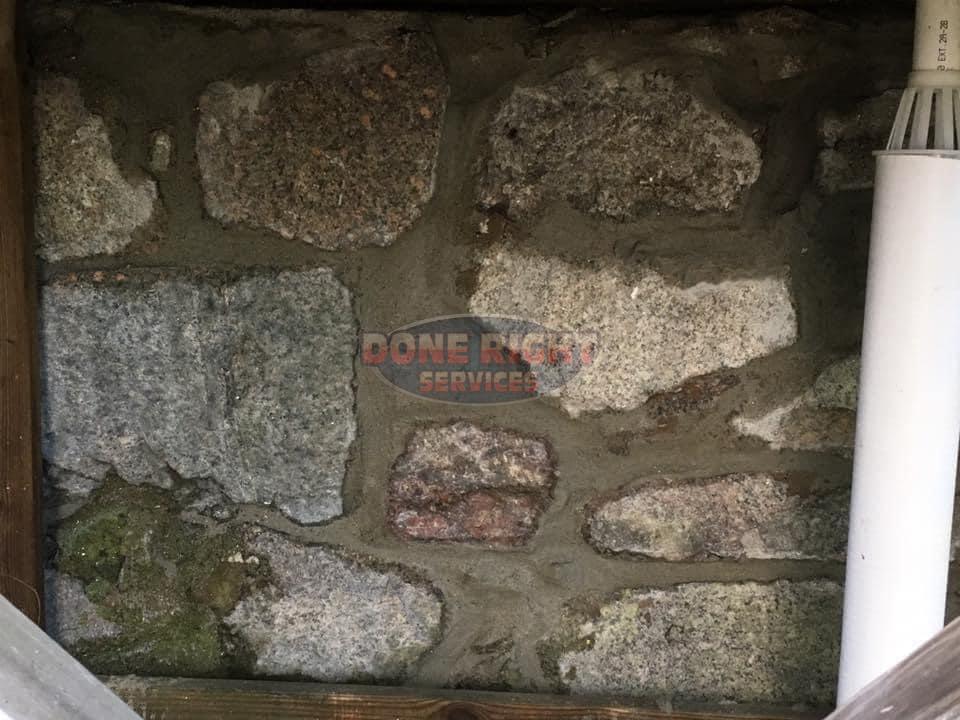
Older homes throughout Andover and North Andover often feature beautiful stone foundations that have stood for generations. While these foundations are remarkably durable, the mortar holding the stones together naturally wears down over time, especially after decades of New England freeze-thaw cycles. Recognizing the early warning signs can help homeowners address minor issues before they become
READ MOREHow Repointing Your Stone Foundation Extends the Life of Your Massachusetts Home
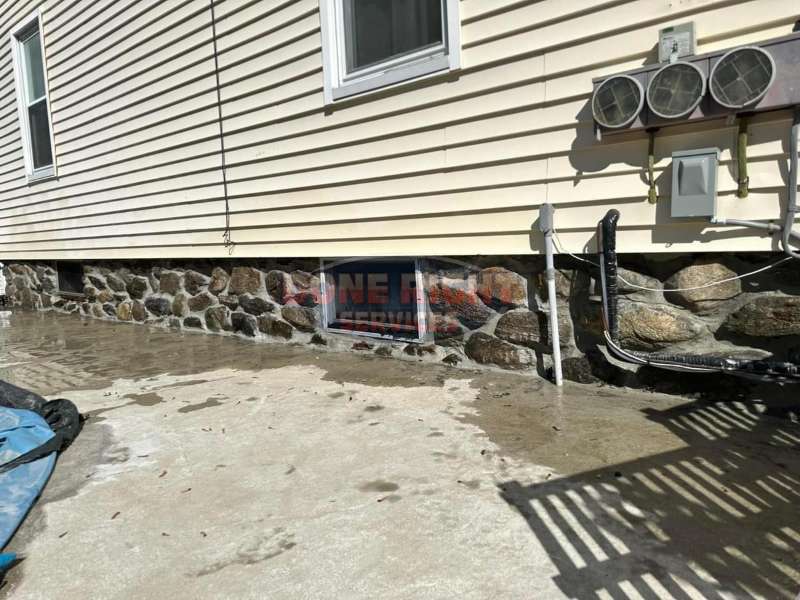
Even the toughest stone foundations need regular attention to keep performing at their best. One of the most important and often overlooked aspects of foundation maintenance is repointing, the process of removing deteriorated mortar from the joints between stones and replacing it with fresh material. When done correctly and on schedule, stone foundation repointing benefits your
READ MOREThe Importance of Proper Mortar Matching in Stone Foundation Repointing (MA & NH Homes)
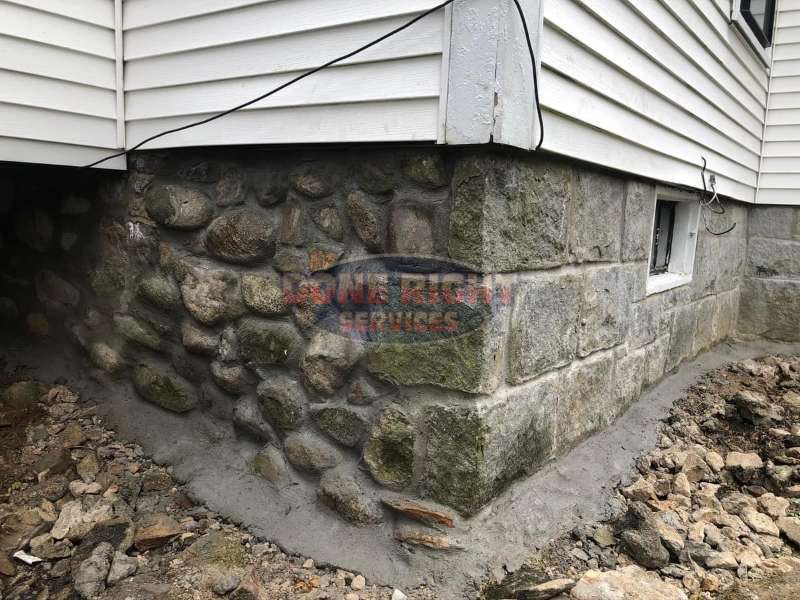
Your stone foundation is one of the most important structural elements keeping your house standing. Over time, the mortar between those stones deteriorates, cracks, and crumbles, leaving gaps that allow water, pests, and cold air to enter. Repointing, which is the process of removing damaged mortar and replacing it with fresh material, is a necessary
READ MORE