

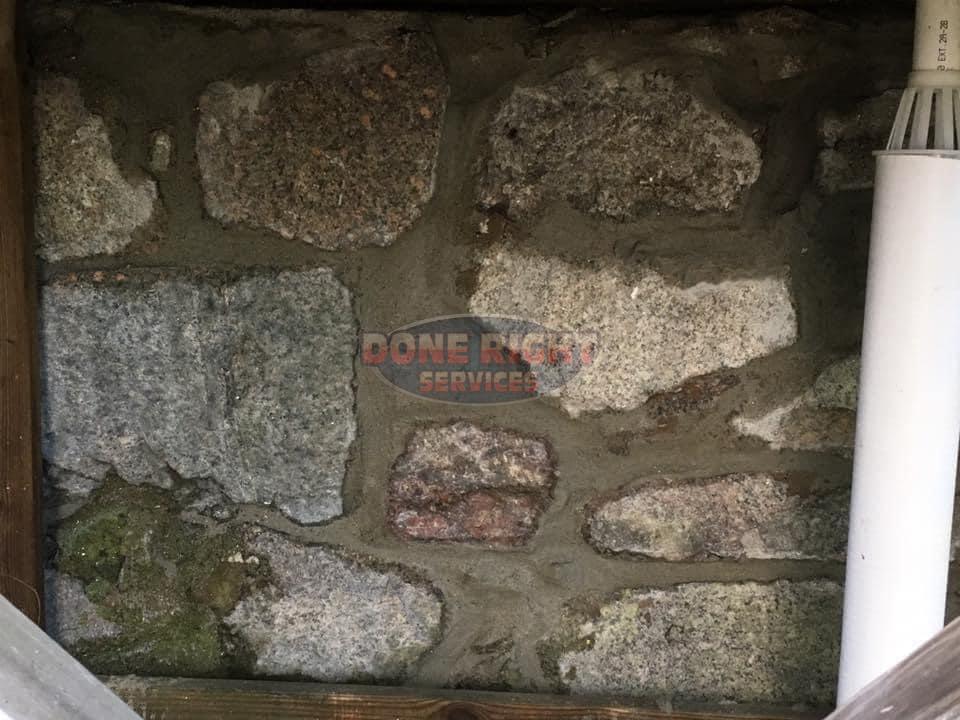
Older homes throughout Andover and North Andover often feature beautiful stone foundations that have stood for generations. While these foundations are remarkably durable, the mortar holding the stones together naturally wears down over time, especially after decades of New England freeze-thaw cycles. Recognizing the early warning signs can help homeowners address minor issues before they become more extensive repairs.
Quick Answer
Stone foundation repointing becomes necessary when the mortar between stones begins to crack, crumble, wash away, or separate from the masonry. In communities like Andover and North Andover, seasonal moisture, freezing temperatures, and the age of many historic homes accelerate mortar deterioration. Identifying these warning signs early helps preserve structural integrity and prevent moisture intrusion.
What Local Homeowners Should Know
-
Many homes throughout Essex County were built with stone foundations that require periodic mortar maintenance rather than complete replacement.
-
Freeze-thaw cycles common across the Merrimack Valley gradually weaken aging mortar joints.
-
Moisture entering deteriorated mortar can contribute to basement dampness and additional masonry damage.
-
Homes in historic neighborhoods often benefit from repairs that preserve original stonework instead of replacing it.
-
Professional repointing restores deteriorated mortar while maintaining the strength and appearance of the existing foundation.
Why This Matters Locally
Stone foundations are especially common throughout older neighborhoods in Andover, North Andover, Lawrence, and surrounding Essex County communities. Many of these homes were constructed long before modern concrete foundations became standard.
New England weather creates ideal conditions for mortar deterioration. Winter freezes cause trapped moisture to expand, while spring snowmelt and seasonal rain repeatedly saturate foundation walls. Over many years, these conditions gradually wear away mortar joints even when the stone itself remains in excellent condition.
At Done Right Services, we regularly help homeowners evaluate aging masonry foundations and determine whether repointing can extend the life of their existing foundation while protecting their home’s structural stability.
Local Field Observations
Professional field experience throughout the Merrimack Valley shows that mortar deterioration is especially common in homes built before the mid-20th century. Foundations exposed to poor drainage, heavy roof runoff, or repeated moisture infiltration often experience faster mortar deterioration than those with well-managed water drainage systems.
Local Impact
Repointing is more than a cosmetic repair. Deteriorated mortar creates pathways for water to enter foundation walls, increasing basement moisture and allowing additional freeze damage during winter.
For homeowners in Andover and nearby communities, delaying repairs may eventually lead to loose stones, increased water intrusion, and more extensive masonry restoration that could have been avoided through timely maintenance.
7 Warning Signs Your Stone Foundation Needs Repointing
1. Mortar Is Crumbling or Falling Out
Missing mortar is one of the clearest indicators that repointing is needed. If pieces fall out when lightly touched or appear scattered near the base of the wall, the joints have likely reached the end of their service life.
2. Visible Gaps Between Stones
Mortar should completely fill the joints between stones. Noticeable gaps allow moisture to penetrate deeper into the wall and reduce the foundation’s overall stability.
3. Loose or Shifting Stones
Stones should remain firmly locked together. Movement may indicate that deteriorated mortar is no longer providing adequate support.
4. Water Seepage Through Foundation Walls
Moisture entering through mortar joints often appears as damp spots, minor leaks, or persistent basement humidity after rain or snowmelt.
5. Cracked Mortar Throughout the Wall
Hairline cracking alone may not require immediate repairs, but widespread cracking across multiple sections usually indicates aging mortar that should be professionally evaluated.
6. White Mineral Deposits
White powdery residue, known as efflorescence, suggests moisture is moving through the masonry. While the deposits themselves are not harmful, they often indicate ongoing water migration through deteriorating mortar.
7. Interior Basement Mustiness
Persistent musty odors or elevated basement humidity sometimes originate from moisture entering through deteriorated masonry joints, particularly in older stone foundations.
When to Call a Professional
Stone foundation repointing should be evaluated once mortar begins disappearing, stones loosen, or moisture enters the basement. Homeowners can safely monitor visible mortar deterioration, but structural movement, widespread joint failure, or active water infiltration should be professionally inspected.
Early evaluation often allows for targeted repointing instead of larger structural masonry repairs.
Common Local Causes of Mortar Deterioration
Freeze-Thaw Cycles
Repeated freezing and thawing remain one of the leading causes of mortar deterioration throughout northeastern Massachusetts.
Foundation Age
Many homes across Andover and North Andover have masonry foundations over 75 years old, making natural mortar wear expected over time.
Poor Drainage
Improper grading, clogged gutters, or roof runoff directed toward the foundation increase moisture exposure.
Previous Incompatible Repairs
Older repairs using mortar that is harder than the original material can create stress within historic masonry, leading to accelerated deterioration.
Prevention and Maintenance
Regular visual inspections can help homeowners identify mortar problems before significant damage develops.
Helpful maintenance practices include:
-
Keep gutters and downspouts directing water away from the foundation.
-
Maintain proper grading around the home.
-
Inspect basement walls after heavy rain.
-
Address small mortar deterioration before large sections fail.
-
Schedule periodic masonry inspections for older homes.
Expected Results After Repointing
Properly completed repointing restores the integrity of mortar joints while preserving the existing stone foundation. Homeowners often notice improved moisture resistance, better structural stability, and a longer service life for the original masonry.
The exact lifespan depends on environmental conditions, drainage, and ongoing maintenance.
Common Mistakes
Waiting Until Stones Become Loose
Consequence: Repairs become more extensive and expensive.
Better Approach: Address deteriorating mortar while stones remain stable.
Covering Moisture Problems Instead of Fixing Them
Consequence: Water continues damaging the masonry behind coatings or finishes.
Better Approach: Identify the source of moisture and repair deteriorated mortar when appropriate.
Using Incorrect Mortar
Consequence: Mortar that is too hard may damage older stonework over time.
Better Approach: Use mortar compatible with the existing masonry and foundation materials.
Common Local Scenario
A homeowner in an older Merrimack Valley neighborhood notices small piles of sandy mortar collecting along the basement wall after winter. Over the following months, several joints appear deeper, and occasional damp spots develop after heavy spring rain. A masonry inspection determines that targeted repointing restores the deteriorated joints before more significant structural repairs become necessary.
Related Service Solutions
Depending on the condition of the foundation, homeowners may benefit from:
-
Stone foundation repointing
-
Masonry restoration
-
Foundation inspections
-
Basement moisture evaluations
-
Drainage improvements around the foundation
Comparing Your Options
| Option | Best For | Considerations |
|---|---|---|
| DIY Minor Cleaning | Surface maintenance only | Does not repair deteriorated mortar |
| Professional Repointing | Sound foundations with failing mortar | Preserves original stonework |
| Structural Masonry Repair | Loose stones or significant movement | Addresses more advanced deterioration |
| Foundation Replacement | Severe structural failure | Reserved for situations where repair is no longer practical |
Service Areas
We proudly serve homeowners throughout Andover, North Andover, Lawrence, Methuen, Boxford, Middleton, and surrounding Essex County communities. Our goal is helping local property owners preserve older masonry foundations with appropriate repair solutions.
Cost of Ignoring the Issue
Delaying repointing allows moisture to penetrate deeper into the masonry, increasing the likelihood of loose stones, water intrusion, and more extensive restoration work. Addressing deteriorated mortar early is often the most cost-effective approach for preserving historic stone foundations.
Frequently Asked Questions
How do I know if my stone foundation needs repointing in Andover?
The clearest signs include crumbling mortar, missing joints, loose stones, moisture entering the basement, and visible cracking. Homes with older stone foundations should be inspected periodically, especially after harsh winters.
How often should stone foundations be inspected in North Andover?
Older masonry foundations generally benefit from a visual inspection every year and a professional evaluation whenever new cracks, water intrusion, or mortar deterioration becomes noticeable.
Can deteriorated mortar cause basement leaks?
Yes. Missing or damaged mortar creates pathways that allow water to enter foundation walls. While leaks may have multiple causes, deteriorated joints are a common contributor in older stone foundations.
Is repointing better than replacing a stone foundation?
In many cases, yes. When the stones remain structurally sound, repointing restores deteriorated mortar while preserving the original foundation. A professional inspection determines the appropriate repair approach.
Does New England weather affect stone foundations?
Yes. Freeze-thaw cycles, snowmelt, seasonal rainfall, and moisture exposure gradually wear down mortar over many years, making periodic maintenance important.
How long does professional repointing last?
The lifespan varies based on weather exposure, drainage, mortar compatibility, and maintenance. Properly completed repointing is designed to provide many years of protection under normal conditions.
Can I repoint my own stone foundation?
Small cosmetic mortar repairs may appear straightforward, but historic stone foundations often require compatible materials and proper installation techniques. Incorrect repairs can cause additional masonry damage.
Why are stone foundations common around Essex County?
Many homes throughout Essex County were constructed before poured concrete foundations became standard. Proper maintenance allows these historic masonry foundations to continue performing well for decades.
Protect Your Historic Stone Foundation
A well-maintained stone foundation can continue serving your home for generations. Identifying deteriorating mortar early allows repairs to remain focused, cost effective, and protective of your home’s original character.
Preserve Your Foundation with Experienced Masonry Care
We’re here to help homeowners throughout Andover and North Andover evaluate aging stone foundations and determine the right repair approach. Contact us today to schedule an inspection and learn more about your options.