

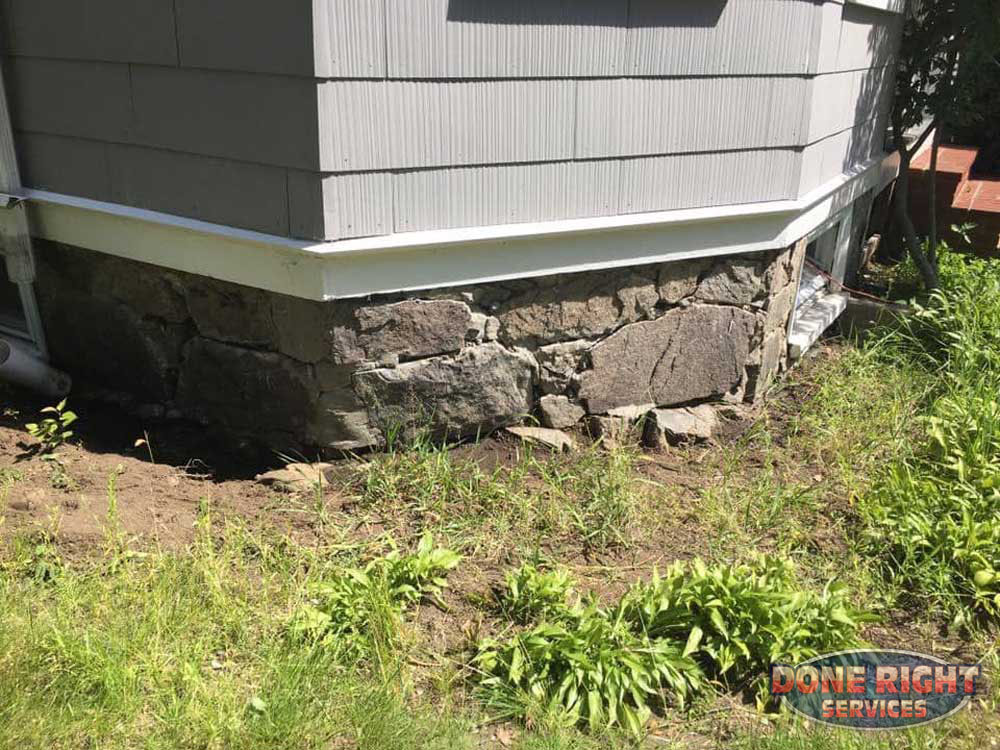
Older homes are part of what gives Andover, MA its character, but many of those homes also feature stone foundations that require extra attention as they age. If you’ve noticed new cracks in your basement walls or existing cracks that appear to be changing, it’s natural to wonder whether they are simply cosmetic or a sign of a larger structural concern.
Quick Answer
Stone foundation cracks can be either cosmetic or structural depending on their size, location, pattern, and whether they are changing over time. Hairline mortar cracks are often the result of normal aging, while widening cracks, wall movement, bowing, water intrusion, or displaced stones may indicate structural movement that should be professionally evaluated. Homes throughout Andover and Essex County often experience foundation movement due to seasonal moisture changes, freeze-thaw cycles, and the age of many historic properties.
What Local Readers Should Know
- Stone foundations in many older Andover homes naturally develop minor mortar cracks over decades of normal settling.
- Freeze-thaw cycles common across northeastern Massachusetts can gradually enlarge small cracks if moisture enters the foundation.
- Water infiltration through stone foundations can accelerate deterioration even when the original crack appears minor.
- Homes near the Shawsheen River or in lower-lying areas may experience changing soil moisture that contributes to foundation movement.
- Monitoring crack size over time is often more important than the presence of a crack alone.
Why This Matters Locally
Distinguishing between structural and cosmetic cracks matters because many homes throughout Andover, MA were built long before modern concrete foundations became standard. Stone foundations remain durable for generations, but they respond differently to soil movement, groundwater, and weather than newer construction.
Communities like North Andover, Lawrence, Boxford, Tewksbury, and Methuen also contain numerous older homes with similar foundation systems. Combined with New England’s repeated freeze-thaw cycles, clay-rich soils in some areas, and seasonal groundwater fluctuations, these conditions can gradually affect stone foundation stability.
Foundation Crack Repair helps homeowners understand whether cracks are part of normal aging or signs of structural movement. After this introduction, we’ll refer to ourselves as we because our goal is to educate local homeowners on making informed decisions about their property’s foundation.
Local Field Observations
Professional experience working with older stone foundations throughout Essex County shows that cosmetic mortar deterioration is common in historic homes. We frequently observe aging mortar joints that require repointing without evidence of structural movement.
We also see structural concerns developing when water infiltration combines with shifting soil or prolonged moisture exposure. These situations often become more noticeable following wet springs, heavy rainfall, or repeated winter freeze-thaw cycles.
Local Impact
Structural foundation movement affects much more than basement appearance. As movement progresses, homeowners may notice uneven floors, sticking windows and doors, wall cracks upstairs, or recurring water intrusion.
Even cosmetic cracks deserve attention because open mortar joints allow moisture to enter the foundation. Over time, this can weaken mortar, contribute to interior dampness, and increase repair costs if left untreated.
Warning Signs
Structural cracks usually display recognizable warning signs that extend beyond simple cosmetic aging.
Look for these indicators:
- Cracks wider than approximately one-quarter inch that continue growing.
- Stones that appear loose, shifted, or displaced.
- Bulging or bowing sections of the foundation wall.
- Stair-step cracking following the stone pattern.
- Water entering through previously dry cracks.
- New cracks appearing after heavy rain or winter weather.
- Doors and windows becoming difficult to open throughout the home.
- Uneven or sloping interior floors developing alongside foundation changes.
When to Call a Professional
Structural warning signs should be professionally evaluated as soon as they become noticeable. While homeowners can safely monitor small hairline mortar cracks with photographs and measurements, widening cracks, wall movement, significant water intrusion, or displaced stones require an inspection.
Early evaluation often identifies repair options before damage becomes more extensive and expensive.
Common Local Causes
Several local conditions contribute to foundation cracking in Andover, MA.
1. Freeze-Thaw Cycles
Water enters tiny openings in mortar, freezes during winter, expands, and gradually enlarges cracks over multiple seasons.
2. Aging Mortar
Many historic homes contain original lime mortar that naturally deteriorates over many decades, even when the foundation remains structurally sound.
3. Soil Movement
Changing moisture levels cause soil to expand and contract. Seasonal rainfall and dry summer periods can gradually influence foundation settlement.
4. Water Drainage Issues
Improper grading, clogged gutters, or downspouts that discharge near the foundation increase soil saturation and hydrostatic pressure.
5. Long-Term Settlement
Older homes often experience slow settlement over many years. While some settlement is expected, excessive movement requires professional assessment.
Prevention and Maintenance
Preventive maintenance helps extend the life of stone foundations.
Homeowners can:
- Clean gutters regularly to direct water away from the home.
- Extend downspouts several feet from the foundation.
- Maintain consistent grading around the property.
- Inspect basement walls each spring and fall.
- Seal minor water entry points when appropriate.
- Address drainage problems before they affect the foundation.
DIY inspections are helpful, but repairs involving structural movement or deteriorated stonework should be left to qualified professionals.
Expected Results
Proper repairs can stabilize structural movement, reduce water infiltration, and preserve the integrity of older stone foundations. Cosmetic mortar repairs improve durability and appearance while helping prevent moisture from entering vulnerable joints.
The specific repair approach depends on the condition of the foundation, the extent of movement, and the underlying cause of the cracking.
Common Mistakes
Mistake: Assuming every crack is dangerous.
Consequence: Unnecessary worry and potentially unnecessary repairs.
Better Approach: Evaluate crack size, pattern, and whether it changes over time.
Mistake: Covering cracks with paint or waterproof coating alone.
Consequence: The underlying problem remains hidden while movement continues.
Better Approach: Determine the cause before selecting a repair method.
Mistake: Ignoring minor water seepage.
Consequence: Moisture gradually weakens mortar and may contribute to larger repairs later.
Better Approach: Address water intrusion early.
Common Local Scenario
A common situation involves a homeowner purchasing an older colonial home in Andover, MA and noticing several mortar cracks during a basement cleanup. Most remain unchanged for years, but one crack begins allowing water inside after heavy spring rains. A professional inspection determines that the original mortar has deteriorated and localized repairs restore the wall before more extensive damage develops.
Related Service Solutions
Several services may help depending on the condition of the foundation:
- Stone foundation inspections
- Crack evaluation
- Mortar repointing
- Stone foundation repair
- Waterproofing improvements
- Drainage corrections
- Structural stabilization where necessary
Learn More CTA: Schedule a professional foundation inspection to determine whether your stone foundation cracks are cosmetic or structural.
Comparing Your Options
| Option | Best For | Considerations |
| Monitor small cracks | Stable hairline mortar cracks | Requires regular measurements and inspections |
| Cosmetic mortar repair | Surface deterioration without movement | Helps protect against moisture intrusion |
| Professional structural repair | Active movement or displaced stones | Addresses underlying structural concerns |
| Drainage improvements | Moisture-related issues | Helps reduce future foundation stress |
Service Areas
We proudly serve homeowners in Andover, MA as well as North Andover, Boxford, Lawrence, Tewksbury, Methuen, and surrounding Essex County communities. Our experience with older New England homes allows us to recognize the unique characteristics of historic stone foundations.
Cost of Ignoring the Issue
Waiting too long can allow minor cracks to become larger structural problems. Water infiltration may worsen, mortar can continue deteriorating, and foundation movement may eventually affect floors, walls, windows, and doors throughout the home.
Inspection CTA: Protect your home’s foundation by scheduling an evaluation before minor issues become major repairs.
Frequently Asked Questions
Are stone foundation cracks normal in Andover, MA?
Yes. Many older homes in Andover have stone foundations where small mortar cracks develop naturally with age. The key is determining whether the cracks remain stable or indicate active structural movement.
How can I tell if a crack is structural?
Structural cracks often widen over time, involve displaced stones, allow water inside, or occur alongside bowing walls, uneven floors, or sticking doors and windows.
Does water coming through a crack always mean structural damage?
No. Water intrusion does not automatically indicate structural failure, but it should always be investigated because moisture accelerates deterioration and may reveal underlying issues.
Can freeze-thaw weather in Essex County make cracks worse?
Yes. Water entering small cracks freezes and expands during winter, gradually enlarging openings over repeated freeze-thaw cycles common throughout Essex County.
Should I repair cosmetic cracks?
Yes. Cosmetic cracks should still be maintained because deteriorated mortar allows moisture to enter the foundation and can eventually lead to more extensive repairs.
How often should I inspect my stone foundation?
Inspecting your foundation every spring and fall is a practical routine. Additional inspections after unusually heavy rainfall or harsh winters can also help identify developing issues early.
Closing
Stone foundations have supported homes throughout Andover, MA for generations, but distinguishing cosmetic cracks from structural problems requires careful evaluation. Knowing what warning signs to watch for helps homeowners protect their investment while avoiding unnecessary repairs.
Protect Your Stone Foundation with Confidence
Whether you’re monitoring an older foundation or concerned about new cracks, we’re here to help you understand what your home needs.