

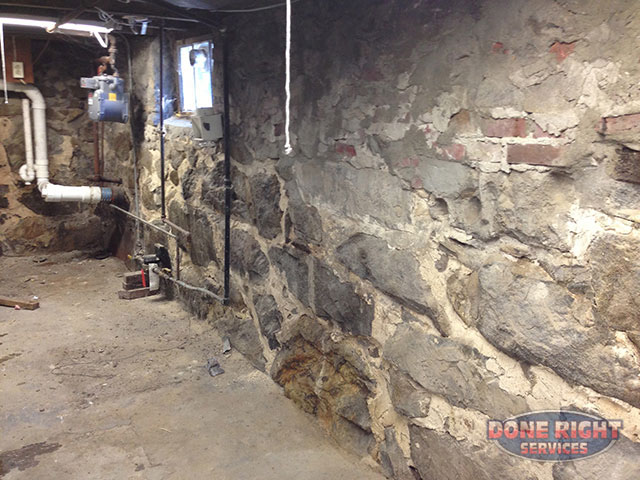
Historic homes are one of the defining features of Newburyport, but their original stone foundations require a very different approach than modern concrete foundations. Repairs that work well on newer homes can actually damage centuries-old stone masonry if the wrong materials or methods are used.
Quick Answer
Historic homes in Newburyport need specialized stone foundation repair because their foundations were built with natural stone and traditional lime-based mortars that behave differently than modern concrete. Proper repairs protect the building’s structural integrity while allowing the foundation to manage moisture and seasonal movement as originally designed. Using compatible materials and preservation-minded repair techniques helps extend the life of these historic structures without creating new problems.
What Local Readers Should Know
-
Many historic homes throughout Newburyport were built on fieldstone or granite foundations that require specialized repair methods.
-
Freeze-thaw cycles along the Massachusetts coast place additional stress on aging mortar joints and foundation walls.
-
Moisture management is often just as important as structural repairs because older foundations were designed to breathe rather than remain completely waterproof.
-
Essex County’s historic housing stock often benefits from repairs that preserve original construction techniques whenever practical.
-
Early inspections can identify small mortar failures before they become larger structural concerns.
Why This Matters Locally
Historic architecture is part of what makes Newburyport unique. Neighborhoods near downtown, the South End, and areas surrounding High Street feature homes that have stood for generations. Many of these properties were constructed long before modern building materials became standard.
The coastal climate also plays a significant role. Salt air, heavy seasonal rains, winter snow, and repeated freeze-thaw cycles gradually affect mortar joints and natural stone. Over decades, these conditions can allow moisture to enter the foundation, leading to shifting stones, deteriorating mortar, and interior moisture issues.
Done Right Services understands that preserving these historic foundations requires careful evaluation rather than one-size-fits-all repair methods. We focus on repairs that respect the original construction while improving long-term stability.
Local Data and Field Observations
According to the National Park Service Preservation Briefs, historic masonry structures perform best when repaired using materials that are compatible with the original masonry rather than harder modern cement products. Lime-based mortars allow older stone foundations to accommodate slight movement while managing moisture more effectively than rigid cement mortars.
From a field perspective, older homes throughout Newburyport and neighboring communities frequently show deteriorated mortar joints, localized settlement, moisture intrusion, and stone displacement after decades of exposure to coastal weather conditions.
Local Impact
Specialized stone foundation repair affects more than the basement.
An aging stone foundation can contribute to uneven floors, sticking doors, cracked plaster walls, excess basement moisture, and poor indoor humidity control. Left untreated, these problems may become more expensive as moisture continues affecting structural framing above the foundation.
Because many historic properties remain occupied year-round, preserving the original foundation also helps protect the overall value and character of the home.
Warning Signs
Stone foundation problems often develop gradually. Watch for these warning signs:
-
Missing or crumbling mortar between stones
-
Bowing or bulging foundation walls
-
Water entering the basement after rain
-
White mineral deposits on foundation walls
-
Loose or shifting stones
-
Uneven or sloping floors above the basement
-
Cracks appearing in interior plaster or drywall
-
Persistent dampness or musty odors
When to Call a Professional
Stone foundation issues should be professionally evaluated whenever structural movement, significant mortar deterioration, or recurring water intrusion becomes noticeable.
Homeowners can safely monitor small cosmetic cracks, check gutters, and ensure grading directs water away from the foundation. However, rebuilding mortar joints, stabilizing displaced stone, or correcting structural movement requires experience with historic masonry systems.
Early inspections often allow repairs to remain smaller and more targeted.
Common Local Causes
Historic stone foundation problems in Newburyport commonly result from several local factors.
1. Freeze-Thaw Cycles
Water entering aging mortar expands during freezing temperatures, gradually loosening mortar joints and shifting individual stones.
2. Coastal Moisture
The proximity to the Atlantic Ocean exposes foundations to elevated humidity and moisture throughout much of the year.
3. Aging Lime Mortar
Many original mortars naturally wear over time. This gradual deterioration is expected but eventually requires repointing using compatible materials.
4. Drainage Issues
Poor grading, clogged gutters, or improper downspout placement allow excess water to collect around foundation walls.
5. Natural Settlement
Homes that have stood for well over a century often experience gradual settlement that may require localized stabilization rather than complete reconstruction.
Prevention and Maintenance
Preventative maintenance helps extend the life of historic stone foundations.
-
Keep gutters and downspouts functioning properly.
-
Direct roof runoff away from the foundation.
-
Maintain proper grading around the home.
-
Inspect mortar joints annually for deterioration.
-
Address small water leaks before they become larger issues.
-
Schedule periodic professional inspections for older homes.
Avoid sealing historic stone with impermeable coatings unless specifically recommended for the structure, since older foundations often need to release moisture naturally.
Expected Results
Proper stone foundation repair can improve structural stability, reduce moisture intrusion, preserve original masonry, and extend the life of the foundation.
Depending on the condition of the home, repairs may include mortar repointing, localized rebuilding, drainage improvements, stabilization, or a combination of preservation-focused solutions.
Common Mistakes
Mistake: Using standard Portland cement mortar on historic stone foundations.
Consequence: Hard mortar can trap moisture and cause surrounding historic stone to deteriorate.
Better Approach: Use repair materials that are compatible with the original masonry.
Mistake: Ignoring minor mortar deterioration.
Consequence: Small gaps often allow water infiltration that accelerates damage during winter.
Better Approach: Address deteriorating joints before structural movement develops.
Mistake: Focusing only on interior water symptoms.
Consequence: The underlying drainage or foundation issue remains unresolved.
Better Approach: Evaluate both the foundation and exterior water management together.
Common Local Scenario
A homeowner in Newburyport notices that their basement develops damp areas after heavy rain and that sections of mortar between foundation stones are beginning to crumble. An inspection determines that the stone itself remains sound, but aging mortar and drainage improvements are needed. Addressing these issues early helps preserve the historic foundation while reducing future moisture concerns.
Related Service Solutions
Historic stone foundations often benefit from services such as:
-
Stone foundation repair
-
Masonry repointing
-
Foundation stabilization
-
Basement waterproofing improvements
-
Drainage corrections
-
Crack evaluation
-
Structural foundation inspections
Comparing Your Options
| Option | Advantages | Limitations |
|---|---|---|
| DIY monitoring | Helps identify developing issues early | Does not address structural or masonry repairs |
| Spot repairs | Suitable for isolated damage | May not solve underlying drainage or settlement problems |
| Professional stone foundation repair | Preserves historic materials while addressing root causes | Requires experienced masonry and foundation specialists |
| Full foundation reconstruction | Appropriate only for severe structural failure | More extensive and typically reserved for significant damage |
Service Areas
We proudly serve homeowners throughout Newburyport, as well as Amesbury, Salisbury, West Newbury, Newbury, Georgetown, Rowley, and surrounding Essex County communities. Our understanding of the area’s historic homes and coastal conditions helps us recommend solutions that fit local properties.
Cost of Ignoring the Issue
Delaying repairs can allow moisture intrusion, continued mortar deterioration, and additional structural movement. Over time, relatively minor repairs may become more extensive if water continues affecting the foundation and supporting framing.
Frequently Asked Questions
Why do historic homes in Newburyport have stone foundations?
Many historic homes in Newburyport were built before poured concrete became the standard foundation material. Builders commonly used locally available fieldstone or granite with lime mortar to create durable foundations.
Can old stone foundations be repaired instead of replaced?
Yes. Many historic stone foundations can be successfully repaired when the original masonry remains structurally sound. The appropriate repair depends on the condition of the mortar, stone, drainage, and overall stability.
Is water in my basement always a foundation problem?
No. Water intrusion may result from drainage issues, grading, gutter problems, or deteriorated mortar joints. A complete inspection helps identify the primary source.
How does coastal weather affect foundations in Essex County?
Freeze-thaw cycles, coastal humidity, and seasonal storms contribute to gradual mortar deterioration and increased moisture exposure, making routine inspections especially valuable.
Should historic stone foundations be waterproofed?
Historic stone foundations often require moisture management rather than complete waterproofing. Because older masonry was designed to breathe, the best solution depends on the specific construction and condition.
How often should Newburyport homeowners inspect older foundations?
An annual inspection, particularly after winter or heavy rainfall seasons, helps identify developing issues before they require larger repairs.
What makes historic stone foundation repair different?
Historic repairs focus on preserving original materials whenever practical while using compatible repair methods that work with the existing masonry rather than against it.
When should I schedule an inspection?
If you notice crumbling mortar, shifting stones, recurring basement moisture, or new structural cracks, scheduling a professional evaluation is a practical next step.
Protect Your Historic Home’s Foundation
Historic homes deserve repair methods that respect their original construction while addressing today’s structural and moisture challenges.
Ready to protect your home’s foundation? Contact us today to schedule a professional stone foundation inspection and explore repair options designed for Newburyport’s historic homes.